From Court Royalty to Phantom Figure: Steffi Graf’s Calculated Disappearance From Public Life

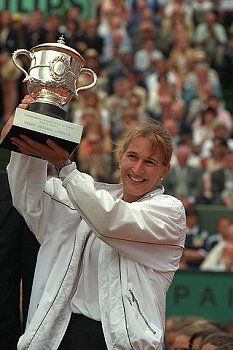
She was tennis royalty, a global icon whose face adorned magazine covers worldwide. Steffi Graf ruled the courts with an iron fist and a legendary forehand. Then, almost overnight it seemed, she vanished. Not entirely, of course – she has her foundation, occasional appearances – but compared to the omnipresence of her playing days, she became a phantom figure. Was this accidental, a simple desire for quiet, or a meticulously calculated withdrawal from the world stage?
All signs point towards calculation. Graf was never comfortable with the media circus; her disdain for the spotlight was palpable even at her peak. Her retirement wasn’t a gradual fade but a decisive step away. Marrying Andre Agassi, another superstar who understood the pressures of fame, likely solidified their joint strategy: protect the private sphere at all costs. This isn’t just preferring quiet; it’s actively engineering invisibility in an age of constant exposure.
Think about the level of control required to maintain such privacy. Shielding their children completely, avoiding paparazzi hotspots, declining lucrative media deals – it speaks to a deliberate, long-term plan. It’s a stark contrast to many retired athletes who embrace commentary, coaching, or reality TV. Graf chose a different path, transforming from one of the most visible women on earth to someone rarely seen. It’s a fascinating disappearing act, a testament perhaps to her unwavering focus, now directed not at winning points, but at preserving peace. She didn’t just retire from tennis; she retired from public life itself.
